Optimal Timing for Water Testing
Water testing is a critical process for maintaining water quality and safety. Timing can influence the accuracy of results and the effectiveness of subsequent treatment measures. Understanding optimal testing periods ensures that water quality issues are identified promptly, reducing health risks and system inefficiencies.
Testing during seasonal changes helps identify variations in water quality caused by weather patterns, such as heavy rainfall or droughts.
After storms or heavy rainfall, water sources can be contaminated, making testing essential to detect pollutants.
Conducting water tests before inspections or system maintenance ensures water safety and compliance.
Regular testing schedules help track water quality over time and identify emerging issues early.
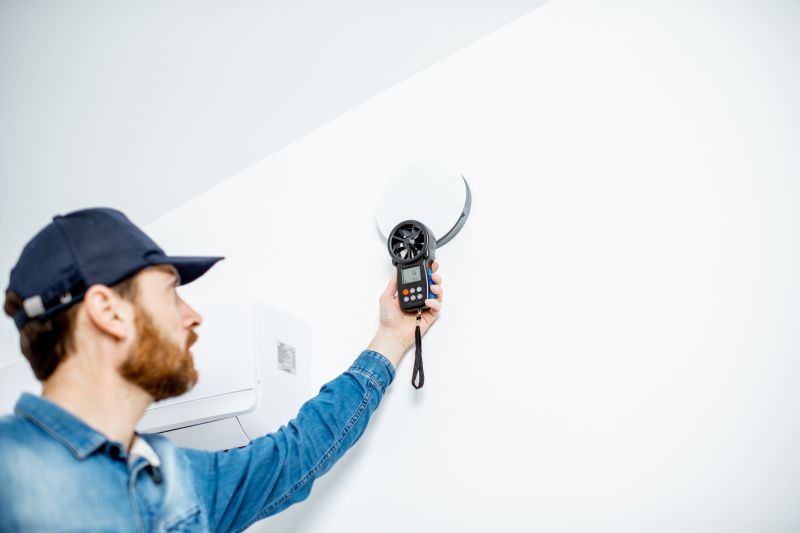
High-precision tools are used for accurate water analysis.
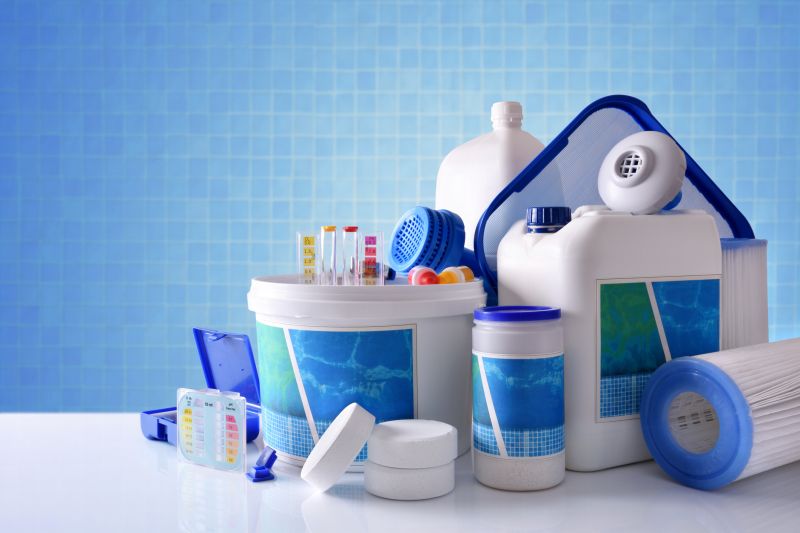
Samples are collected from various points for comprehensive testing.
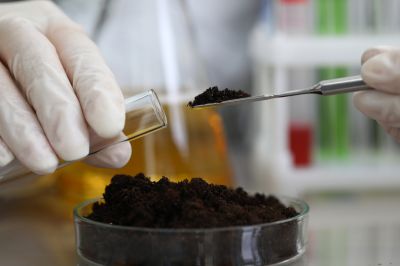
Samples are analyzed in labs to detect contaminants and pollutants.
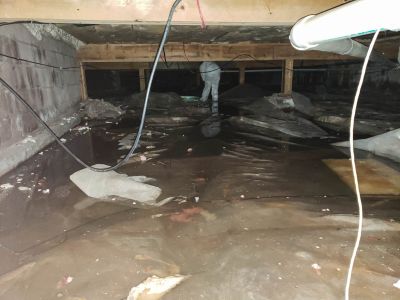
Ways to make Water Testings work in tight or awkward layouts.
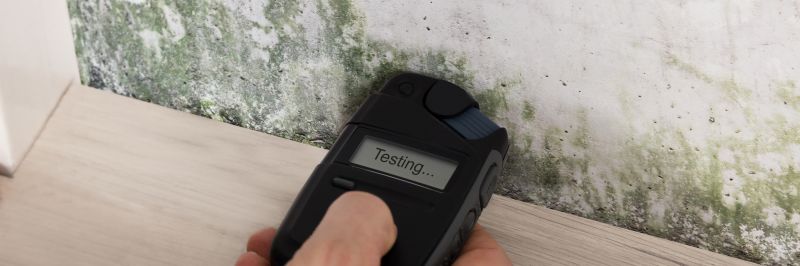
Popular materials for Water Testings and why they hold up over time.
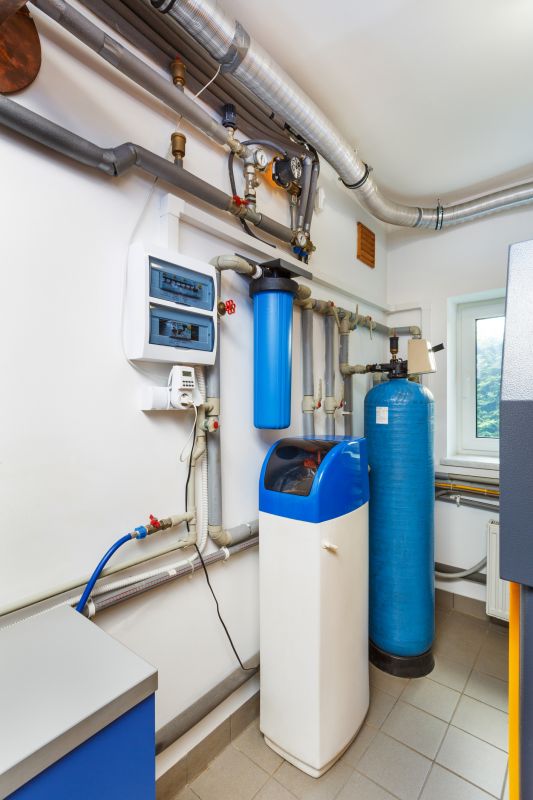
Simple add-ons that improve Water Testings without blowing the budget.
Water testing provides essential data about water quality, helping to identify contaminants such as bacteria, heavy metals, and chemical pollutants. Statistics indicate that regular testing can reduce waterborne illnesses and prevent costly infrastructure damage. Testing frequency varies based on water source, usage, and regulatory requirements, but consistent monitoring is vital for ensuring safety.

Identifies harmful substances in water supplies.
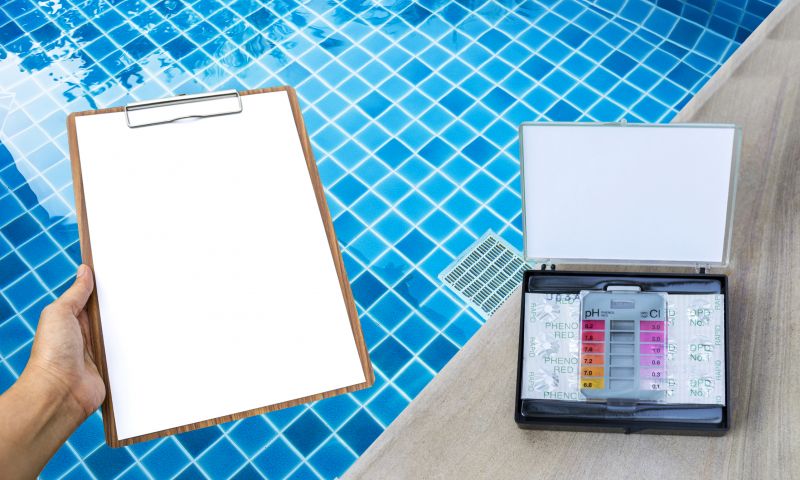
Detailed analysis documents for water safety assessment.
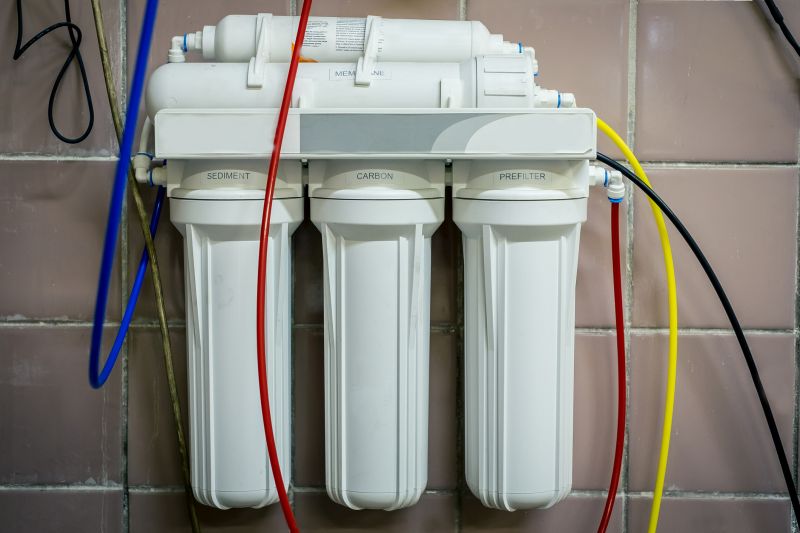
Various points within a system for comprehensive testing.
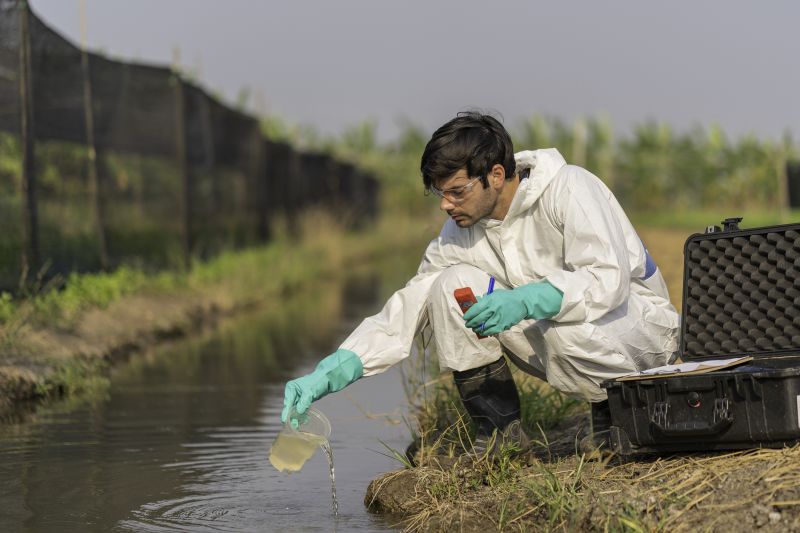
Advanced tools used for precise water analysis.
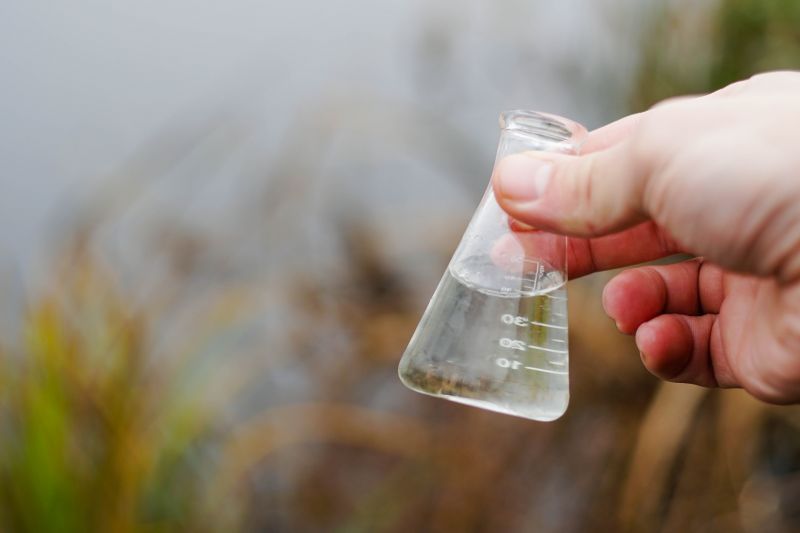
High-end options that actually feel worth it for Water Testings.
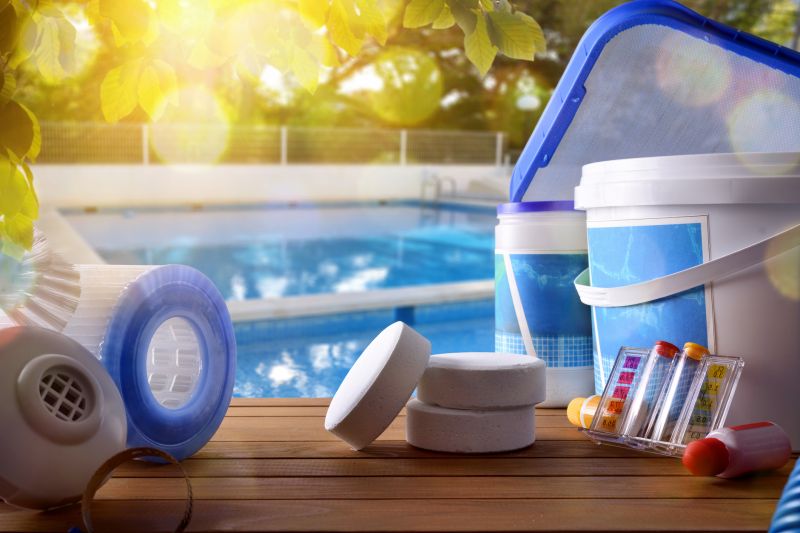
Finishes and colors that play nicely with Water Testings.
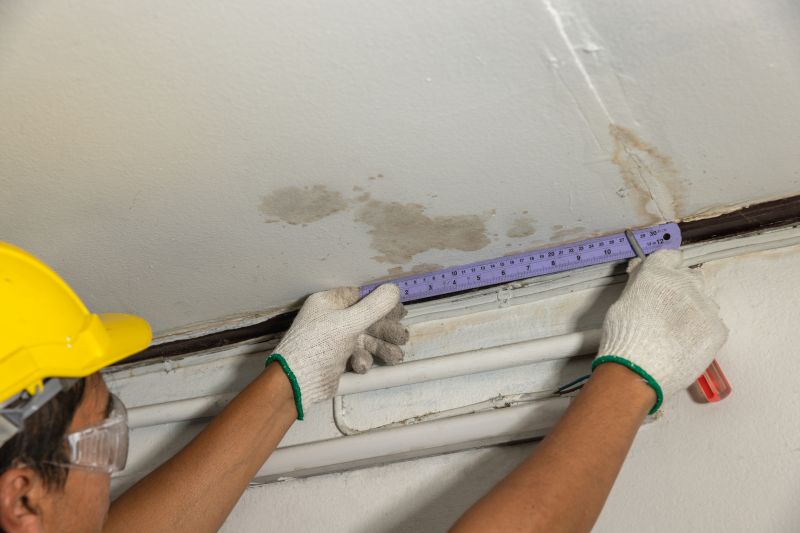
Little measurements that prevent headaches on Water Testings day.
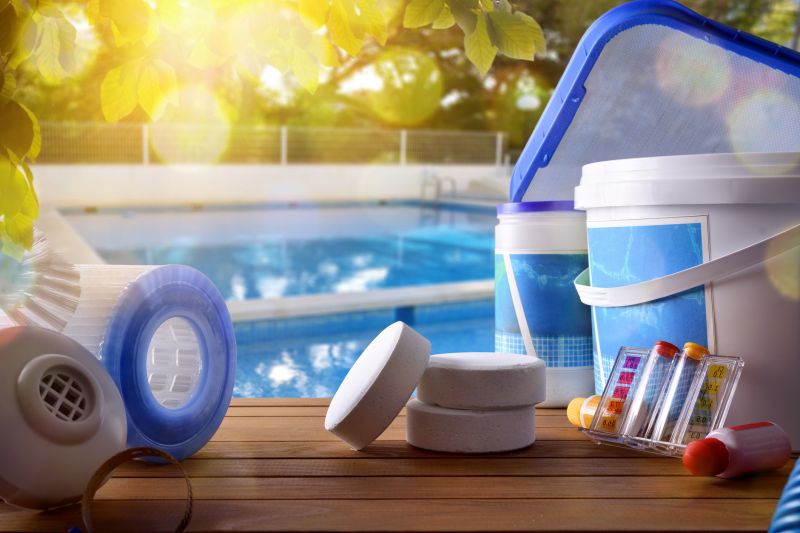
A 60-second routine that keeps Water Testings looking new.
| Timing Aspect | Details |
|---|---|
| Seasonal Changes | Testing during spring and fall captures seasonal variations. |
| Post-Weather Events | Testing after storms ensures early detection of contamination. |
| Routine Monitoring | Scheduled testing maintains ongoing water quality assurance. |
| System Startup | Initial testing verifies water safety before system use. |
| Regulatory Compliance | Testing at mandated intervals meets legal requirements. |
| Water Source Type | Different sources require tailored testing schedules. |
| Usage Patterns | High-usage periods may necessitate more frequent testing. |
| Historical Data Review | Analyzing past results helps determine optimal testing times. |
Regular water testing is crucial for maintaining safe and clean water supplies. It helps detect contaminants early, ensuring prompt action can be taken to mitigate health risks. Proper timing of tests enhances accuracy and reliability, supporting compliance with health standards and protecting public health.
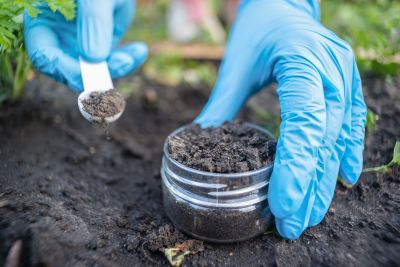
Proper collection techniques are vital for accurate testing.
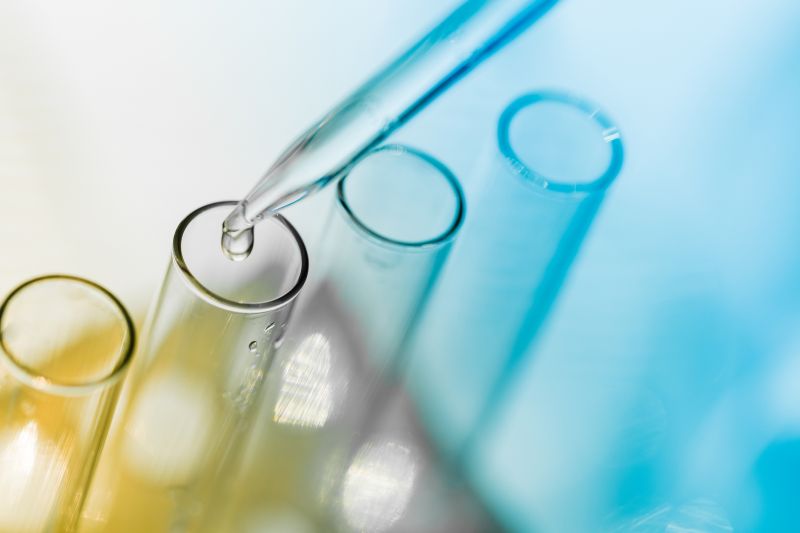
Samples undergo detailed testing in specialized labs.
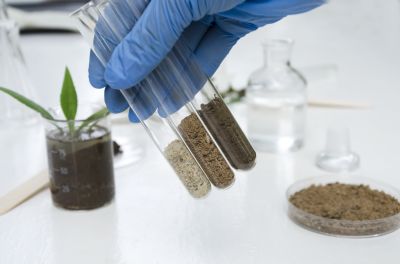
Data is analyzed to identify water quality issues.
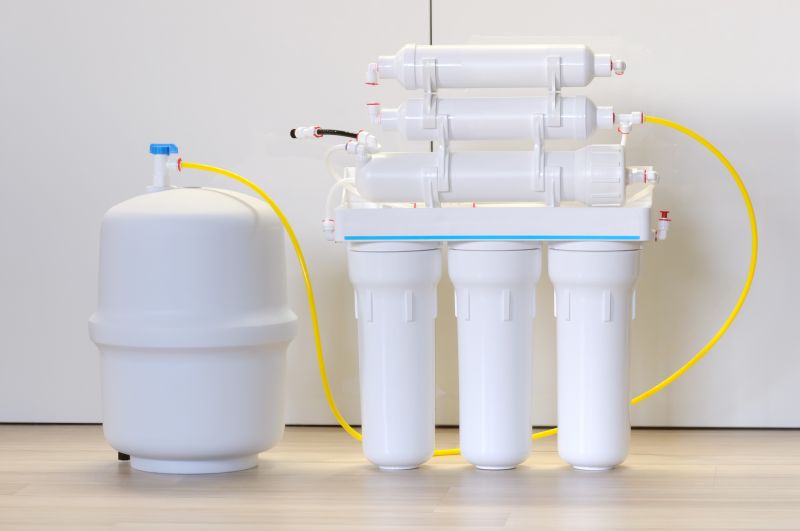
A frequent mistake in Water Testings and how to dodge it.
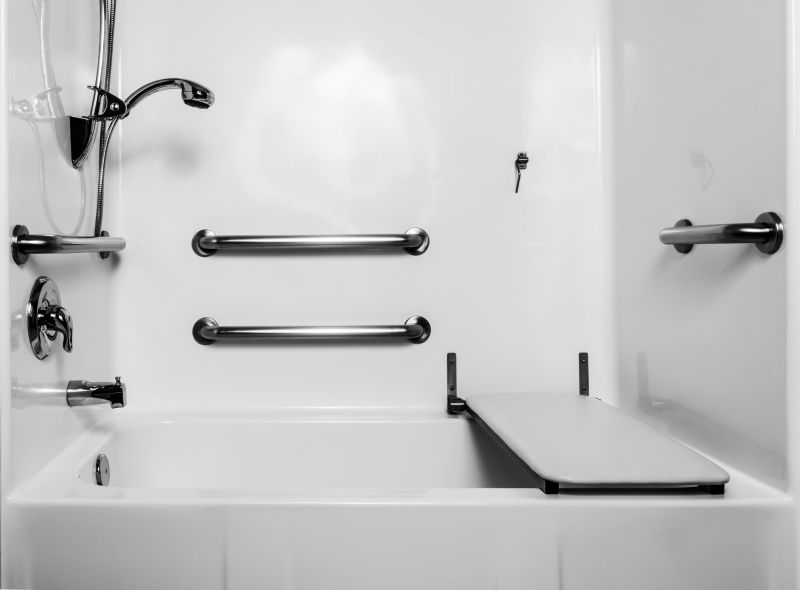
Small tweaks to make Water Testings safer and easier to use.
Lower-waste or water-saving choices for Water Testings.
Interested parties are encouraged to contact for more information about scheduling water testings. Proper timing and regular testing can help ensure water safety and compliance, supporting health and infrastructure integrity.